The StarfIsh Beach Club Snorkeling Tour
FAST TOUR HIGHLIGHTS
After a short land transfer, we’ll reach a beautiful beach club surrounded by tropical vegetation. Join a snorkel briefing, then start your adventure guided by expert guides.
We’ll snorkel at three amazing spots: Starfish Sandbar, Coral Reef Barrer, and Sunken Shipwreck.
Then relax with a complimentary hot snack on a private sandy beach. Finish with a stop at a panoramic point overlooking the tropical coast from the hilltop.
TOUR ITINERARY AND DETAILS
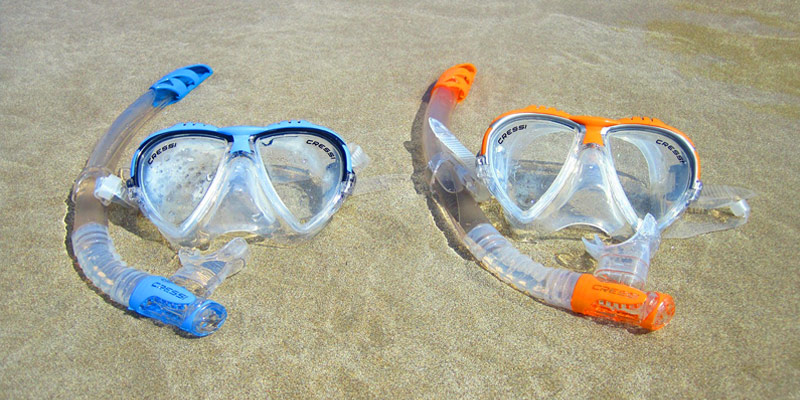
Short land transfer to the beach club and start of the 3 locations snorkeling tour
After a short land transfer by vehicle, we’ll arrive at our spectacular beach club, surrounded by lush tropical vegetation and a white sandy beach facing the deep blue ocean.
Join a snorkeling briefing with one of our expert instructors, then pick up your snorkeling gear and get ready to begin an exciting guided adventure through three stunning snorkeling locations, led by our specialized guides.

By boat, from the snorkeling center to the starfish sandbar
What could be cuter and more fascinating than a starfish? These slow-moving marine animals with their unmistakable shape always amaze people thanks to their bright colors and variety, and the vast majority are totally inoffensive to humans.
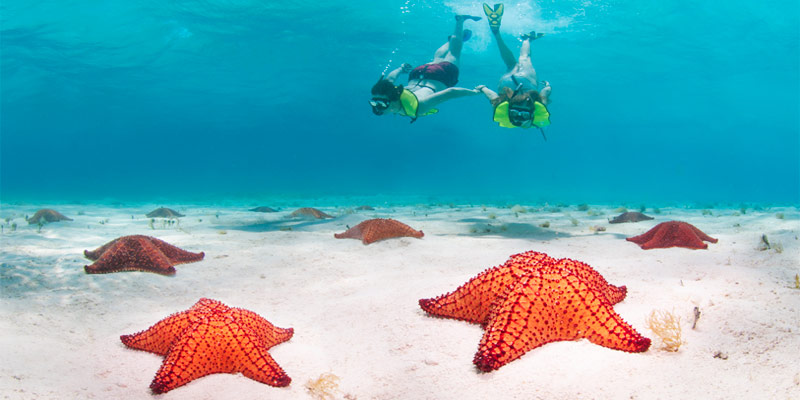
Roatan is one of the top 6 snorkeling spots to see starfish! The waters of Roatan are a real paradise for the starfish called Cushion Sea Star. Although their colors range from red to beige, yellow, orange, and even green, they all belong to the same species. Perfectly harmless, there are plenty of them lying on the seabed. Everybody is able to watch them—but please, don’t touch them!
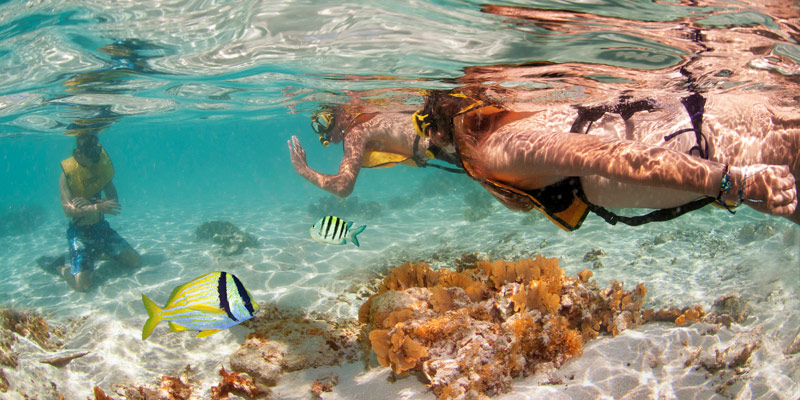
Swimming, from the starfish sandbar to the coral reef barrier
In this second snorkeling stop, we’ll explore the vibrant coral reef of Roatan Island—part of the Mesoamerican Barrier Reef, the second largest in the world and the most extensive in the Americas.
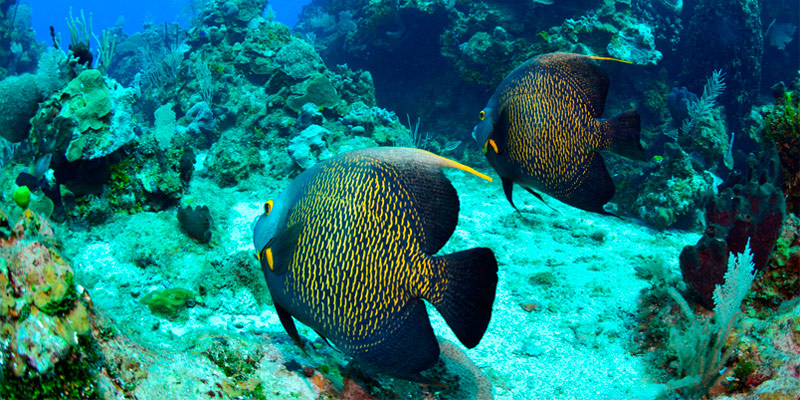
This thriving underwater ecosystem is home to living coral formations, colorful reef fish, swaying anemones, and other marine invertebrates. As you glide through the clear waters, you'll observe the complex biodiversity that makes this reef system one of the most important and awe-inspiring marine habitats on Earth.
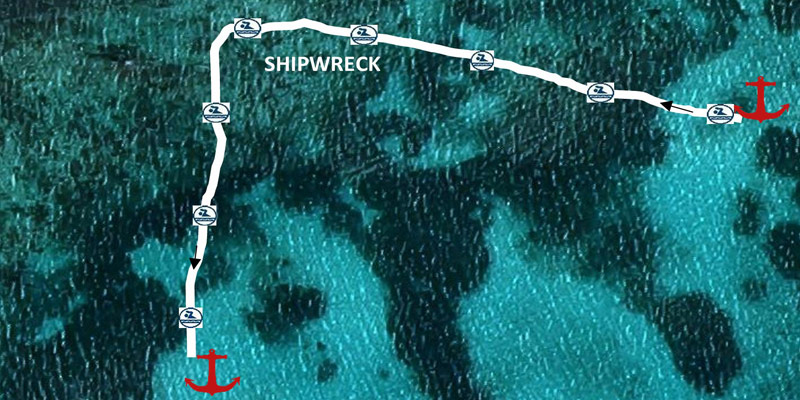
By boat, from the coral reef barrier to the shipwreck snorkeling area
The shipwreck is located in shallow waters, it´s an 120 years old sunken steamer called “Snyg”.
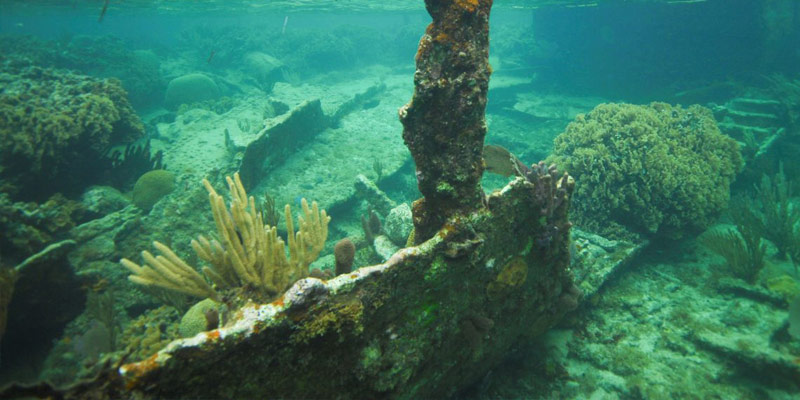
Its boiler is still visible above the reef and your snorkeling adventure will take you to swim around it and admire a lot of fish that made it their home.
Before or after the snorkeling tour
Before or after snorkeling and the panoramic boat ride to the snorkeling sites, enjoy approximately one hour of relaxation on a typical sandy beach facing the turquoise sea, while tasting a delicious hot snack — two Honduran-style empanadas!
PANORAMIC STOP
Finish your tour with a final stop at a breathtaking panoramic viewpoint, where you can admire the tropical coastline from the top of the hills.
What to Know Before You Go
Included in the package
Coach transportation, beach club entrance fee, bottled water, hot snack, snorkeling equipment rental, boat transfers to snorkeling areas, snorkeling guide, parking fees, and VAT.
Snorkeling equipment included
Mask, snorkel, fins, and an inflatable snorkel life vest. Snorkeling boat with shaded area and a comfortable ladder for easy re-boarding after snorkeling.
What to bring
Towel, swimsuit (preferably worn under your clothes), hat, sunglasses, sunscreen, insect repellent, and a prescription mask if needed.
Participant Requirements
Participants must be able to swim and be in good physical condition. A signed liability waiver is also required.
SIGHTSEEING BOAT TOUR BEYOND STARFISH BEACH CLUB
Mangroves
Mangroves are important to people because they help stabilize our coastline ecosystem and reduce erosion. Mangroves provide natural infrastructure to help protect nearby populated areas by reducing erosion and absorbing storm surge impacts during extreme weather events such as hurricanes.
They are also important to the ecosystem too. Their dense roots help bind and build soils. Their above-ground roots slow down water flows and encourage sediment deposits that reduce coastal erosion.
The complex mangrove root systems filter nitrates, phosphates and other pollutants from the water, improving the water quality flowing from rivers and streams into the estuarine and ocean environment.
Pristine Bay Resort
Pristine Bay Resort is a luxury residential resort featuring a world-class golf club, swimming pools, tennis courts, and stunning ocean views. It offers an upscale, relaxing atmosphere ideal for both vacation and long-term stays.
Las Verandas Hotel
Las Verandas is a beautiful boutique hotel located in Pristine Bay area offering an elegant and tranquil escape. Surrounded by lush gardens and just steps from the beach, it combines Caribbean charm with modern comfort, perfect for a relaxing getaway.
Black Pearl Golf Course
The Black Pearl Golf Course, located within the prestigious Pristine Bay Resort, is a world-class 18-hole championship course designed by legendary golf architect Pete Dye.
Known for its challenging layout and breathtaking views of the Caribbean Sea, the course blends seamlessly with the natural landscape, offering a unique and rewarding experience for golf enthusiasts of all levels.
With oceanfront holes, rolling fairways, and professional facilities, it’s a must-play destination for golfers visiting Roatán.
Snyg: The Old Steamer Shipwreck
A 120-Year-Old Wreck Hides One of the Island’s Oldest Mysteries. It was the night of August 18, 1899, and a northwestern wind had been blowing on Roatán for over three days.
On the north shore of the island, a 100-foot metal boat, Snyg, battled the seas, seeking shelter on her journey from Florida to La Ceiba. Snyg was a steamship and, like many boats of that era, had a secondary means of power: a mast and two booms. She was flying a Greek flag and carrying live cargo—mules and oxen—destined to work on the banana plantations of northern Honduras. Her captain and several crew members were Greek.
The inhabitants of the village of Crawfish Rock were awakened in the middle of the night by lights and sounds of distress—oxen bellowing and mules kicking. Snyg was in trouble, and her crew was trying to locate the entrance to the channel across the reef. This proved to be a nearly insurmountable challenge. Boat navigation and weather were quite different 120 years ago.
“Back then the only way to navigate was to use a sextant. You had to locate a celestial body and a horizon line. That was often not possible,” said Charles Osgood, 69, a retired boat captain and engineer from Roatán. “We used to have northern [winds] that would blow for four or five days. The island would run short of food. The weather patterns have changed now.”
George Edward Osgood, from Coxen Hole, was asked to assist the distressed Snyg. “She was bilged and way on top of the reef,” remembers Charles Osgood, grandson of George Edward. George Edward, in his 30s at the time, ran a boat repair business on Osgood Cay. The cay, strategically located just south of Coxen Hole, had previously been called Bennett Cay, then Big Cay, then Osgood Cay, and is now known as Maya Cay. Originally belonging to Guillermo Bruchard, the cay was eventually purchased at a government auction in 1912. George Edward kept it in the family for over a hundred years.
After the rescue operation—during which Edward repaired a metal crane used to lift animals off the battered Snyg—he received an ox and a mule in thanks. These would later power the winch at Osgood Cay, moving boats brought in for repair. He also received a 28-foot wooden lifeboat from Snyg. He fitted it with a six-horsepower motor he had purchased from an American Navy officer stationed at the U.S. naval base at Punta Castilla. The engine, a One Lung Marine Engine by Lathrop, powered Snyg’s lifeboat around Roatán until the 1960s.
“Once she was hot, she could run on kerosene, diesel, or gasoline,” said Charles Osgood, describing the engine. “It ran in both directions.”
The Snyg lifeboat hauled cargo and passengers to and from Roatán until 1961, when it was left at Osgood Cay and eventually rotted away. Today, the only surviving non-metal part of the Snyg is a 12-inch wooden sign with its name engraved on it. The other lifeboat was taken by someone else on Roatán.
Crawfish Rockers have a special relationship with the wreck, which lies just 100 meters from their village. Until the 1990s, its hull was still above water.
“They called it *Old Steamer*,” said Dulcie Woods, 69, who has lived in Crawfish Rock since the 1950s. “They would get some oyster-type shellfish from the wreck.”
Despite Snyg’s slow disintegration, it remains a local landmark and will likely continue attracting snorkelers and tourists from all around the north of the island.
Starfish Snorkel Area
The waters around Roatán are a true paradise for snorkeling and swimming, offering vibrant marine life and crystal-clear visibility. One of the most captivating sights here is the abundance of starfish, especially the Cushion Sea Star (Oreaster reticulatus). These starfish are known for their distinctive plump, cushion-like appearance and come in a stunning variety of colors, ranging from deep reds and bright oranges to soft beiges, yellows, and even shades of green.
The Cushion Sea Star is one of the largest starfish species in the Caribbean and plays an important role in the reef ecosystem by helping to clean the ocean floor. Snorkelers visiting this area can observe these gentle creatures resting on sandy bottoms or among coral formations, making the experience truly magical. The starfish’s vibrant colors and unique texture make them a favorite subject for underwater photography and a highlight for nature lovers exploring Roatán’s underwater world.
Whether you’re an experienced snorkeler or a beginner, the Starfish Snorkel Area offers calm, shallow waters that are perfect for a relaxing encounter with these fascinating marine animals, surrounded by the stunning biodiversity of the Caribbean Sea.
Roatan Coral Reef Barrier
Roatán is surrounded by the Mesoamerican Barrier Reef, which is the second largest barrier reef system in the world after Australia’s Great Barrier Reef. This impressive natural wonder stretches along the Caribbean coasts of Mexico, Belize, Guatemala, and Honduras, with Roatán being one of its most vibrant and ecologically rich islands. Specifically, Roatán lies adjacent to the Great Western Barrier Reef, making its surrounding waters a haven for marine biodiversity.
The reefs around Roatán boast an extraordinary variety of coral species, including magnificent spires and towers formed by Star, Starlet, and Lettuce Corals. These vibrant corals create complex habitats that support an incredible diversity of marine life. Additionally, Roatán’s reefs harbor some of the best and most diverse collections of sponges found anywhere in the Caribbean, adding unique textures and colors to the underwater landscape.
Snorkelers and divers will be enchanted by the dramatic underwater topography, characterized by overhangs, deep canyons, fissures, and a labyrinthine maze of tunnels along the continuous reef walls. This complex seascape offers countless exploration opportunities and shelter for a wide range of marine species.
Thanks to excellent underwater visibility, visitors can easily observe a rich tapestry of life, including countless invertebrates such as sea stars, sea urchins, and colorful reef fish. The thriving ecosystem and breathtaking underwater scenery make Roatán a premier destination for lovers of the sea, whether they are experienced divers or casual snorkelers.
OUR TOUR IS OPERATED AND DISTRIBUTED BY BIG FRENCH KEY ROATAN, ONE OF THE MAIN TOUR OPERATORS IN ROATAN AND THE ONLY ONE GSCT AND TRAVELIFE CERTIFIED (see them in ABOUT US page), ALSO A PROUD MEMBER OF THE ROATAN MARINE PARK.